THANK YOU FOR SUBSCRIBING

Be first to read the latest tech news, Industry Leader's Insights, and CIO interviews of medium and large enterprises exclusively from Logistics Transportation Review

A featured contribution from Leadership Perspectives: a curated forum reserved for leaders nominated by our subscribers and vetted by our Logistics and Transportation Review Europe Advisory Board.

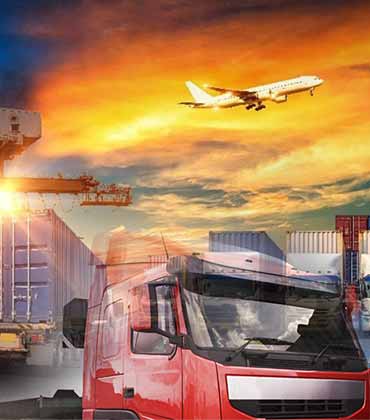
Intermodal transport integrates varied modes, streamlining cargo handling, reducing costs, enhancing safety, and promoting sustainability, heralding a smarter, greener, and efficient future in global trade.
In the changing landscape of global trade, efficiency holds paramount importance. Businesses aim to transport goods quickly, cost-effectively, and with minimal environmental impact. Enter intermodal transport, a logistics strategy that seamlessly integrates various transportation modes, including rail, ship, truck, and even air, to create a unified and efficient journey for cargo. Although the concept may seem straightforward, its advantages extend throughout the supply chain, offering a potent combination of economic, safety, and sustainability benefits.
Efficiency: At the core of intermodal transport's efficiency lies its ability to minimize cargo handling. For a standard shipment bouncing from truck to train to truck again, each transfer creates delays, risks of damage, and additional costs. Intermodal transport eliminates these hurdles by keeping goods in the same standardized container throughout their journey. This streamlined approach reduces downtime and maximizes utilization of different transportation modes, leading to faster deliveries and improved overall logistics performance.
Savings That Scale Up: Intermodality unlocks significant cost advantages when shipping large cargo volumes. Utilizing larger containers for long journeys and smaller trucks for last-mile deliveries reduces the cost per unit of cargo transported. This economies-of-scale effect benefits both businesses and consumers, leading to lower prices and improved accessibility of goods. Additionally, the efficient utilization of different modes reduces fuel consumption and emissions, further contributing to cost savings and environmental benefits.
Safety Secured: Intermodal transport prioritizes cargo security by minimizing handling and exposure. Goods remain safe within the secure confines of containers, significantly reducing the risk of damage, loss, or theft. This enhanced security translates to peace of mind for businesses and protects the integrity of valuable goods throughout their journey. Moreover, intermodal terminals and rail networks often implement advanced security measures, including CCTV surveillance and access control systems, further safeguarding cargo against potential threats.
Sustainability: In an era where environmental consciousness reigns supreme, intermodality strikes a harmonious chord with the planet. By harnessing the fuel-efficient nature of rail and water transport, it significantly reduces carbon emissions compared to solely relying on road transportation. This reduction translates to a smaller environmental footprint and a valuable contribution to combating climate change. Additionally, intermodality promotes efficient land use by optimizing container space and minimizing the need for additional infrastructure, such as new roads.
However, the melody of intermodality isn't without its discordant notes. Infrastructure limitations, complex intermodal terminal operations, and the need for seamless coordination between different transport providers can pose challenges. However, progress in technology, standardization, and collaborative endeavors is resolving these discrepancies, laying the groundwork for a more seamless and sustainable future.
Intermodal transport is a paradigm shift towards a smarter, greener, and more efficient way to move goods. By harnessing the strengths of different transportation modes, intermodality offers a win-win scenario for businesses, consumers, and the environment. As global trade evolves, intermodal transport is poised to become the backbone of a sustainable and efficient future, paving the way for a more connected and responsible world.
